Do some of the sayings of Jesus make you a bit uncomfortable or possibly offend you? Well, you’re not alone. There were many people who witnessed Jesus Christ face to face, who listened to His teachings, who saw His miracles yet could not bear His words and walked away rejecting the Savior.
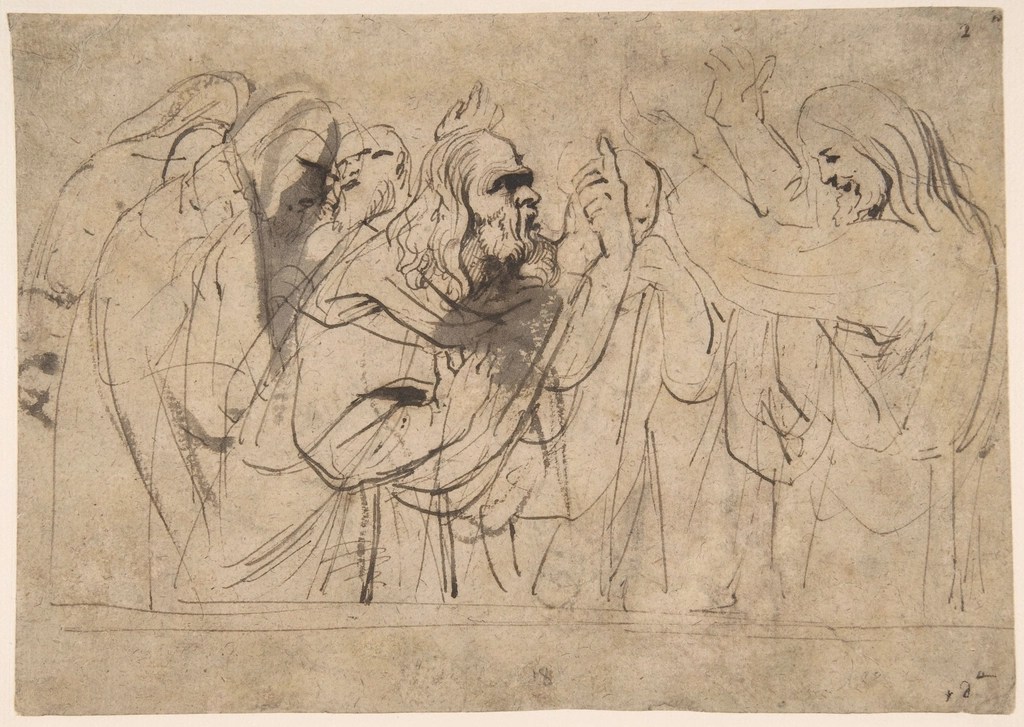
Therefore many of His disciples, when they heard this, said,
“This is a hard saying; who can understand it?” When Jesus knew in Himself
that His disciples complained about this, He said to them, “Does this offend you?
John 6:60-61 (NKJV)
Jesus appeals to many as the gentle Good Shepherd (John 10:11-14) giving us a warm and compassionate picture of His character. However, many of those same people reject the Jesus who declares we should fear Him who has the authority to cast us into hell (Luke 12:4-5). Interestingly, the Bible reveals both are equally valid portrayals of Jesus’ nature. While cherry-picking the aspects of Jesus Christ’s nature that simply appeal to our sensibilities may be convenient and in vogue, it leads to fashioning a god of our own liking as the object of our faith rather than the Son of God the Bible describes.
In the Gospel of John chapter 6 (V 22-71), Jesus challenges those who would attempt to try to put Him in their ‘god box’. Jesus had just fed 5,000 people with a few loaves of bread and a couple of fish, yet this miraculous sign was not enough to satisfy both their unbelief and their lack of understanding of His mission. Jesus in turn chides them for not recognizing their true need.
Jesus answered them and said, “Most assuredly, I say to you, you seek Me, not because you
saw the signs, but because you ate of the loaves and were filled. Do not labor for the food
which perishes, but for the food which endures to everlasting life, which the Son of Man will
give you, because God the Father has set His seal on Him.”” John 6:26-27
This was a pivotal moment for the crowds following Jesus across the Galilean country-side. Jesus is now questioning their motives for seeking Him. Were they more interested in their physical appetites being satisfied or did they crave spiritual food and freedom? Each of us must ask ourselves that same question when faced with the question of why we say we believe in Jesus. Are we just looking for an easy ‘get out of hell card’ or are we acknowledging our true need for Him as the Savior?
“Most assuredly, I say to you, he who believes in Me has everlasting life. I am the bread of life. Your fathers ate the manna in the wilderness, and are dead. This is the bread which comes down from heaven, that one may eat of it and not die. I am the living bread which came down from heaven. If anyone eats of this bread, he will live forever; and the bread that I shall give is My flesh, which I shall give for the life of the world.” John 6:47- 52
Jesus’ words were now becoming uncomfortable for the crowd as He presses them to commit to a faith in Him that is unbridled from their religious traditions. In declaring that He is the Bread of Life and that we must partake of Him, Jesus uses a metaphor to equate man’s need for Him to satisfy their need for eternal life as much as the need for physical bread to sustain earthly life. In verse 51 Jesus then alludes to His future death on the cross as the atoning fleshly sacrifice for the life of the world. His words were unraveling their notion of who the Messiah should be.
When Jesus knew in Himself that His disciples complained
about this, He said to them, “Does this offend you? John 6:61
The Jew’s expectation of Jesus was not for a suffering servant but centered around their tradition that He as Messiah was to bring deliverance from the oppression of Roman rule and establish a Jewish kingdom. Before a true Messianic kingdom could be established on the Earth the realm of men’s hearts must first be restored. His first advent was a revolution waged in the spiritual realm to set the heart of man free from the oppression of sin.
The crowds of people were captivated by Jesus’ miracles, teaching and healings. Yet sadly most of those disciples walked away that day in unbelief (v 66) because of their unmet human expectations of Jesus and His hard sayings that did not fit their narrative of the Messiah. The fact is that Jesus Christ does not offer anyone the option of coming to faith in Him on their own terms. We can have no demands or expectations of the true God with the exception that His Word is absolute, His promises sure and Jesus Christ is the only way to God the Father.
With the crowd of people now gone, Jesus then asks the twelve Apostles if they are leaving too. Peter answers, “Lord, to whom shall we go? You have the words of eternal life. Also we have come to believe and know that You are the Christ, the Son of the living God” (John 6:68-69). Peter rightly understood that Jesus Christ as the living God cannot be corralled or manipulated by man centered presumptions and expectations. His eternal nature demands we are the ones who must bow our hearts and submit to His truth. With that, we also have to ask the question of ourselves “To whom else shall we go?”.
Many today still stumble over the truth of Jesus Christ and the Bible. To those who were honest seekers of truth and the way of salvation, Jesus showed patience and compassion gently leading them to truth. But to those who stubbornly attempted to box Him in or expect Him to dance to the tune of their truth, He often allowed them to continue to stumble down the path of their own ignorance. He still does both today.
On the last day, that great day of the feast, Jesus stood and cried out, saying,
“If anyone thirsts, let him come to Me and drink. He who believes in Me, as the
Scripture has said, out of his heart will flow rivers of living water.” John 7:37-38
M.P. Bramble
If you desire to know how to have a relationship by faith with Jesus Christ – Check out “Finding Faith in Jesus Christ”.
If you would like to Follow my posts, Subscribe below or hit the follow button at the bottom of the page.


Leave a Reply